
Home ventilation can sound intimidating, but in practice it is often a structured, step-by-step plan with clear targets, monitoring, and follow-up.
What is a home oxygen ventilator, and how is it different from “oxygen”?
An Oxygen ventilator for home is a machine that supports breathing by helping move air in and out of the lungs, usually through a mask or sometimes a tracheostomy. Oxygen therapy, by contrast, primarily increases the amount of oxygen delivered without actively assisting ventilation.
Many people only need supplemental oxygen. A ventilator is considered when the issue is not just low oxygen, but inadequate ventilation, meaning the body is retaining carbon dioxide (CO₂) or breathing is too shallow, too slow, or too effortful.
When do clinicians prescribe a home ventilator instead of an oxygen concentrator?
They may prescribe a ventilator when tests suggest chronic or recurrent ventilatory failure. Common triggers include elevated CO₂ on arterial or capillary blood gases, repeated hospitalizations for breathing decompensation, or evidence of dangerous overnight hypoventilation.
In simpler terms, if oxygen alone improves oxygen saturation but CO₂ remains high or symptoms persist, a ventilator is more likely to be recommended.
Which conditions most commonly lead to home ventilation?
Home ventilation is commonly prescribed for conditions that weaken breathing muscles, restrict chest movement, or cause sleep-related hypoventilation. Examples include COPD with chronic hypercapnia, obesity hypoventilation syndrome, neuromuscular disorders (such as ALS or muscular dystrophy), and severe chest wall or spinal deformities.
Some people also require it after a prolonged ICU stay, especially if they have difficulty weaning from ventilatory support or repeatedly deteriorate at home.
What symptoms make a prescription more likely?
Clinicians often look for symptoms consistent with hypoventilation and CO₂ retention. These can include morning headaches, daytime sleepiness, fatigue, poor concentration, shortness of breath at rest or with minimal activity, and disturbed sleep.
Family members may report loud breathing, shallow breathing during sleep, or episodes that look like breathing pauses. Symptoms alone are not enough, but they often prompt testing. Read more about blood gas interpretation for neonates.
What tests or thresholds are used to decide?
They typically rely on blood gas measurements, overnight oximetry, and sometimes capnography or a formal sleep study. Pulmonary function tests can show restrictive patterns or reduced vital capacity, which can support the decision in neuromuscular or chest wall disease.
The exact “cutoffs” vary by guideline, diagnosis, and insurer, but the pattern is consistent: objective evidence of hypoventilation, especially elevated CO₂, plus clinical impact or risk.
Is a ventilator prescribed for nighttime use only, or also for daytime?
Many people start with nocturnal ventilation because sleep can worsen hypoventilation and CO₂ retention. Night support can also improve daytime symptoms by reducing overnight strain and stabilizing gas exchange.
If the disease progresses or if daytime CO₂ remains high, they may be instructed to use the ventilator for part of the day as well. The schedule is individualized and adjusted based on response.
What is the difference between CPAP, BiPAP, and a “home ventilator”?
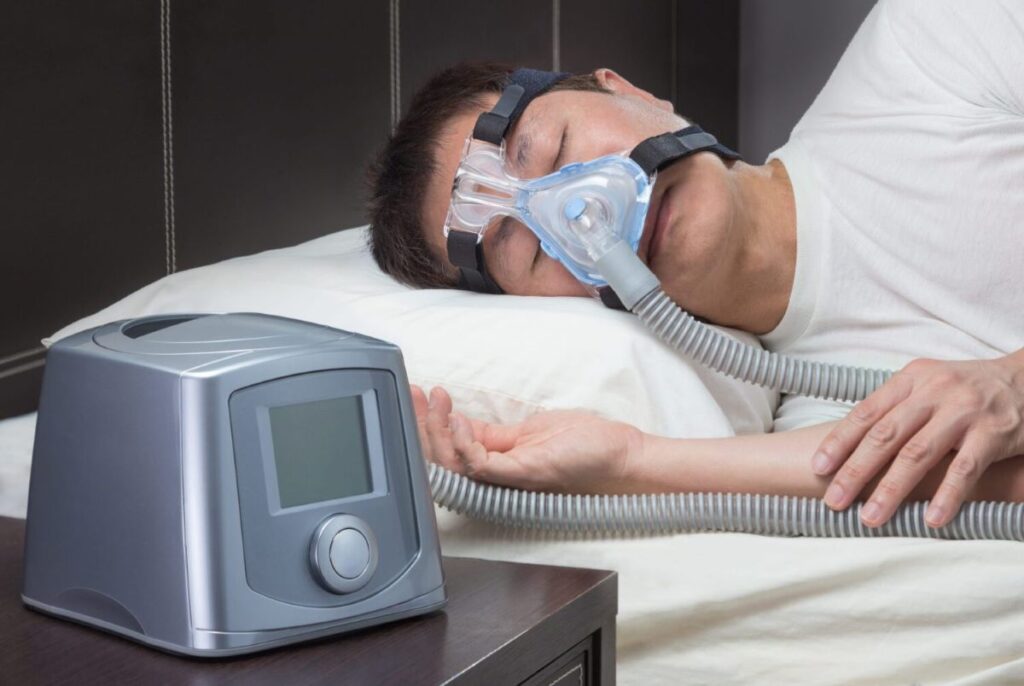
CPAP provides one continuous pressure and is most often used for obstructive sleep apnea. BiPAP (often called bilevel) provides different pressures for inhalation and exhalation, which can assist breathing more than CPAP.
A “home ventilator” is a broader category that may include advanced bilevel devices or dedicated ventilators with more modes, alarms, and monitoring. Clinicians choose based on how complex the respiratory failure is and how much support and safety monitoring they need.
When is a ventilator prescribed with supplemental oxygen?
They may prescribe oxygen in addition to ventilation if oxygen levels remain low despite adequate ventilation. This is common in advanced COPD, certain lung scarring conditions, or other problems that impair oxygen transfer.
Importantly, oxygen may need careful titration in people prone to CO₂ retention, so clinicians often set target saturation ranges and adjust based on follow-up testing. Check out more about Everflo Concentrator: Why It’s Popular in Home Oxygen Therapy.
What situations are usually not appropriate for home ventilation?
Home ventilation is not typically prescribed just for mild shortness of breath without evidence of ventilatory failure. It also may not be appropriate if the person cannot tolerate a mask, cannot safely use the equipment, or lacks the home support needed to manage it, unless additional services are arranged.
In some cases, palliative approaches may be preferred if the burdens of ventilation outweigh likely benefits, based on the person’s goals and overall prognosis.
What happens after a home ventilator is prescribed?
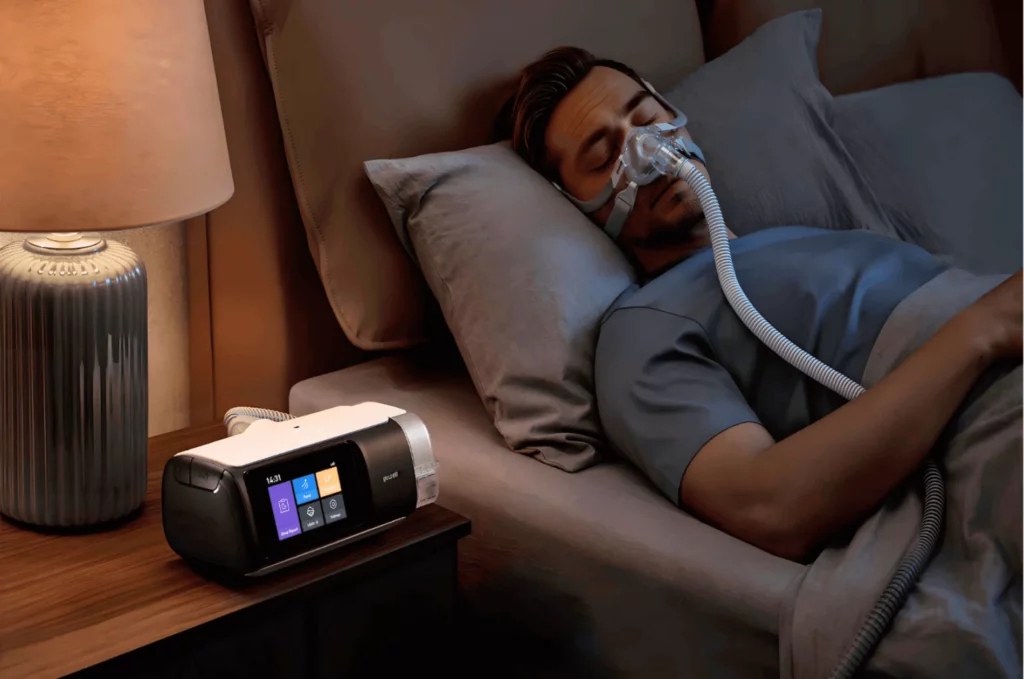
They are usually set up through a durable medical equipment provider, with clinician-specified settings and education on mask fit, cleaning, and troubleshooting. Follow-up is critical because comfort, leak, and adherence often determine whether therapy helps.
Clinicians often reassess symptoms, review device data, and repeat oximetry or blood gases. Settings may be adjusted over time, especially after weight change, disease progression, or exacerbations.
When should they ask the clinician about a home ventilator?
They should ask if they have repeated exacerbations, persistent morning headaches or sleepiness, rising CO₂, or worsening breathing despite optimized medications and oxygen therapy. It is also reasonable to ask after any hospitalization for respiratory failure, especially if discharge planning mentions “noninvasive ventilation,” “bilevel,” or “hypercapnia.”
The safest next step is a targeted evaluation with objective testing, rather than trying to self-diagnose based on symptoms alone.
FAQs (Frequently Asked Questions)
What is a home oxygen ventilator and how does it differ from supplemental oxygen therapy?
A home oxygen ventilator is a machine that supports breathing by actively helping move air in and out of the lungs, typically through a mask or tracheostomy. In contrast, supplemental oxygen therapy primarily increases the amount of oxygen delivered without assisting ventilation. Ventilators are prescribed when there is inadequate ventilation, such as elevated carbon dioxide levels or shallow breathing, beyond what oxygen alone can correct.
When do clinicians decide to prescribe a home ventilator instead of just an oxygen concentrator?
Clinicians prescribe a home ventilator when tests indicate chronic or recurrent ventilatory failure, such as elevated CO₂ on blood gases, repeated hospitalizations for breathing issues, or dangerous overnight hypoventilation. If oxygen therapy improves saturation but CO₂ remains high or symptoms persist, a ventilator is more likely recommended to provide adequate respiratory support.
Which medical conditions commonly require home ventilation?
Home ventilation is often prescribed for conditions that weaken breathing muscles, restrict chest movement, or cause sleep-related hypoventilation. Common examples include COPD with chronic hypercapnia, obesity hypoventilation syndrome, neuromuscular disorders like ALS or muscular dystrophy, severe chest wall deformities, and patients who have difficulty weaning from ventilatory support after prolonged ICU stays.
What symptoms suggest that someone might need home ventilation?
Symptoms consistent with hypoventilation and CO₂ retention include morning headaches, daytime sleepiness, fatigue, poor concentration, shortness of breath at rest or with minimal activity, and disturbed sleep. Family observations such as loud or shallow breathing during sleep and episodes resembling breathing pauses also prompt further testing to assess the need for ventilation.
How is the decision made to start home ventilation and what tests are involved?
The decision relies on objective evidence such as blood gas measurements showing elevated CO₂, overnight oximetry indicating hypoventilation during sleep, capnography, and formal sleep studies. Pulmonary function tests may support the diagnosis in neuromuscular or chest wall diseases. Clinical impact and risk assessment guide individualized treatment plans based on these test results.
Is home ventilation typically used only at night or also during the day?
Many patients begin with nocturnal ventilation since sleep can worsen hypoventilation and CO₂ retention. Nighttime support often improves daytime symptoms by reducing overnight strain. However, if disease progresses or daytime CO₂ levels remain elevated, clinicians may recommend using the ventilator during parts of the day as well. The usage schedule is personalized and adjusted based on patient response.